Alpha Discovery · Quant Deep-Dive
#18 How to Read Alpha Score Top 20 in a Daily Routine
04/08/2026 · 8 min read
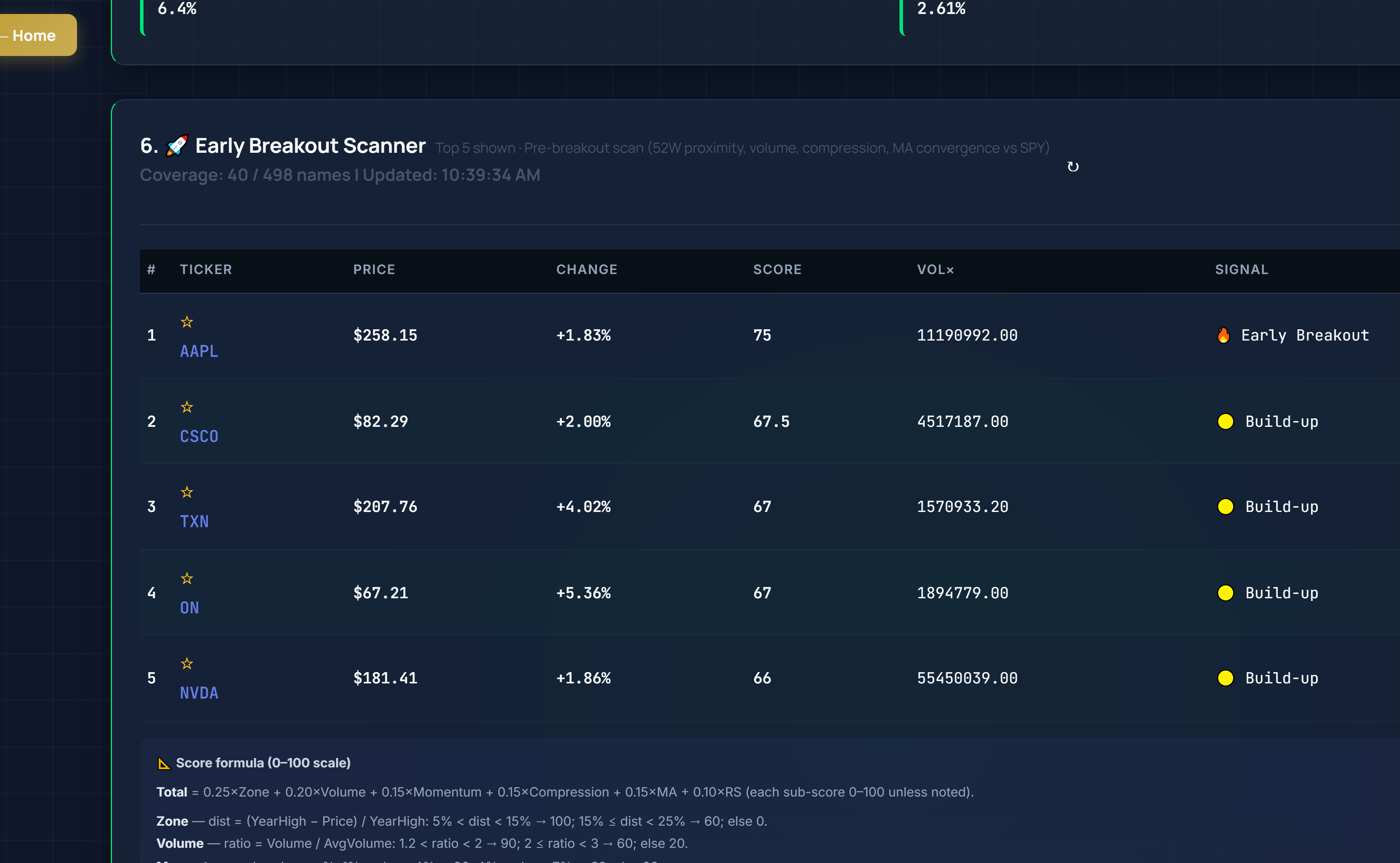
Daily operating routine based on a live Top 20 ranking screen.
📍 Home › ANALYSIS_1 › Alpha Score Top 20
0) Where to Find This Widget
From the 12-tile dashboard, open ANALYSIS_1. The Alpha Score Top 20 / ranking table lives on that page with the other Alpha Discovery widgets.
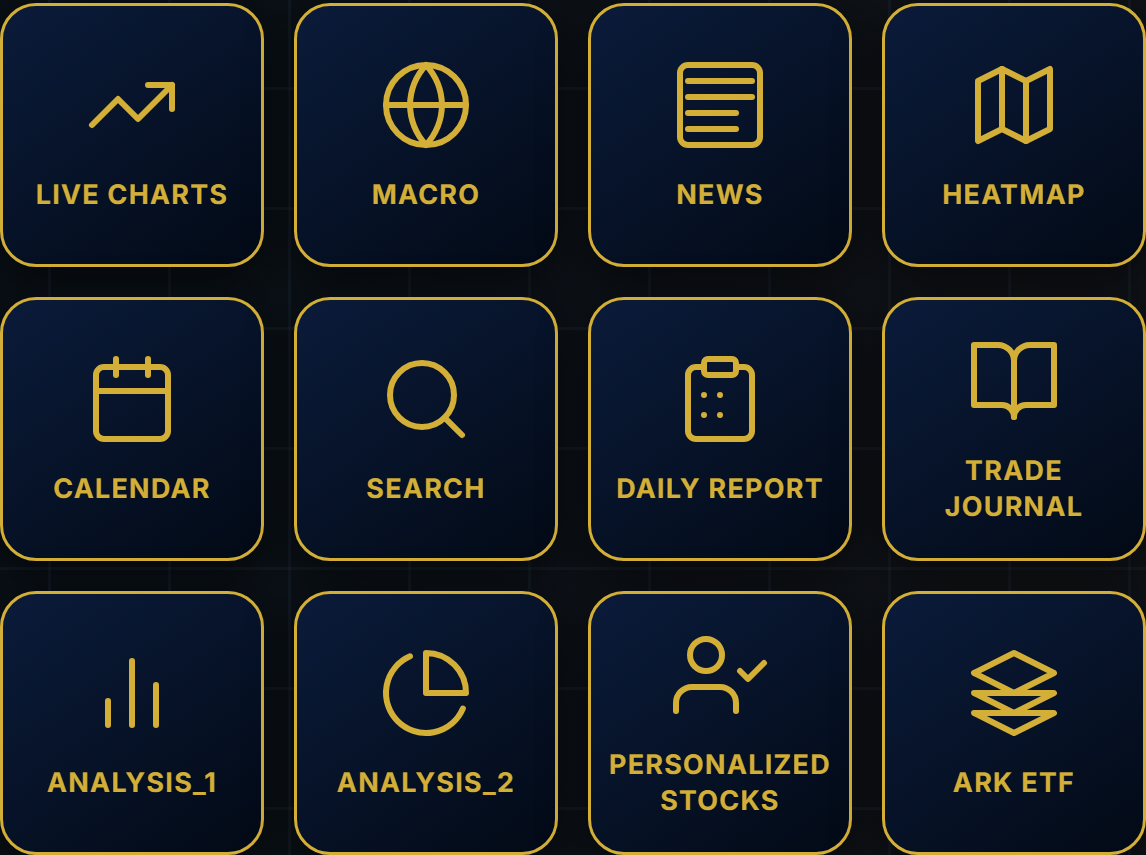
Live capture of Dashboard in Inveflo.
1) TL;DR
- Top 20 score shifts can identify early momentum before broad attention arrives.
- It matters because rank velocity often changes before price headlines.
- Use this model pre-market, then confirm at Open + 30 minutes.
2) Hook (Pain-Driven)
Most traders react to price after the move is obvious. Score-shift behavior often gives earlier clues than price alone.
3) Problem
A static Top 20 snapshot is not enough. Without rank velocity and score persistence, you cannot tell if a signal is strengthening or fading.
4) Solution (Widget Introduction)
Use the Alpha Score Top 20 widget to track score shifts, persistence, and participation. Focus on directional change, not just absolute rank.
5) Logic Breakdown (Formula + Thresholds)
- Early Breakout Signal: RankShiftScore ≥ 12 and ExplosiveScore ≥ 82
- Confirm: Volume Surge Ratio > 1.4
- De-risk: Composite Market Score < 50
6) Practical Use (IF X → THEN Y)
- If rank jumps into Top 20 with ExplosiveScore ≥ 82, then move to active watchlist.
- If the name holds Top 20 for 2 sessions and volume confirms, then stage entry.
- If rank drops sharply with weakening CSS, then exit watchlist immediately.
Should I buy now? Buy only after score shift plus volume confirmation. Is this signal strong? Strong means rank velocity and CSS both improving. What should I do next? Stage entry, wait, or remove.
7) Common Mistakes
- Concluding from one daily snapshot only
- Skipping rank-change logs and relying on memory
- Ignoring theme concentration across top-ranked names
This is not a standalone buy signal and should be confirmed with trend and risk controls.
Frequently Asked Questions
Should I buy a stock if it jumps into Top 20 on CSS strength alone?
No. CSS rank jump without volume surge = false breakout risk. Rule: CSS ≥75 + Volume Surge >1.4 + Composite Market Score ≥50 required for entry. If CSS strong but volume fails to confirm, wait 1-2 days. Forced breakouts without volume participation do not hold.
What's the best time to check for CSS rank shifts?
Pre-market (before 9:30am) for overnight shifts. Then again at 10:00am (30 min into market open) to confirm volume participation. Third check at 2:00pm for late-session persistence. Multiple timeframe checks = higher signal confidence.
How long should I hold a Top 20 position once I enter?
Typical hold: 2-5 days if CSS ≥75 and rank stays Top 20. Exit if: (1) rank drops out of Top 20 + CSS <60, (2) profit reaches 8%+ with CSS decaying <70, (3) Composite Market Score drops <45. Let CSS decay = early exit warning.
Can one sector dominate the Top 20 and create blind spots?
Yes. If Tech takes 12/20 slots, diversify entry: max 2 Tech, rotate into other sectors. Watch for theme concentration; it signals bubble risk. If Top 20 is 70%+ one sector, reduce position sizes by 50% across the board. Reduce leverage during concentration phases.
Related Posts
- #3 How to Narrow Deep Dive Results into Buy Candidates in 5 Steps Alpha Discovery
- #9 Breakout Signal Quality Evaluation: Score, Volume, and Trend Alignment Breakout Radar
- #14 Catalyst Reflection Speed: How Fast Should Price React? Catalyst Analysis
CTA: Open Scanner and Find Opportunities
CTA: Open Scanner and Find Opportunities
Scan the full S&P 500, compare quality and signal scores, and build your watch list before market open.